

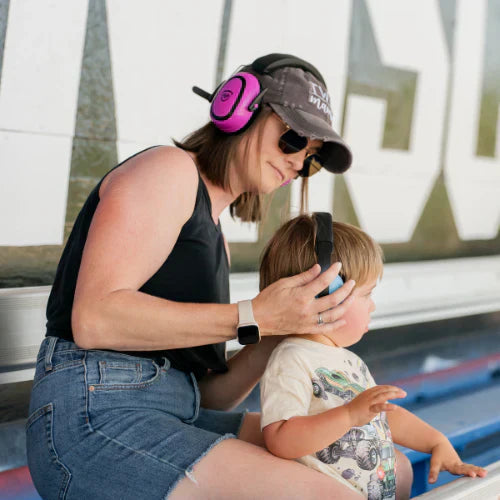
Loud environments can be exciting for families, but they can also be overwhelming for children. Sporting events, concerts, motorsport races, festivals, fireworks, school assemblies, parades, and large indoor venues can all reach sound levels that feel intense to young listeners. Some children will clearly say, “It’s too loud.” Others may show discomfort through behavior before they have the words to explain what they are feeling.
Understanding the signs of kids noise sensitivity can help parents respond early, reduce stress, and protect a child’s hearing during loud activities. The goal is not to keep children away from every noisy setting. The goal is to prepare them with the right support, including breaks, distance from loudspeakers, and properly fitted child hearing protection.
Common Signs Your Child May Be Uncomfortable With Noise
Children respond to loud sound in different ways. Some signs are obvious, while others can look like tiredness, frustration, or a sudden change in mood. Parents may notice:
- Covering both ears with their hands
- Crying, whining, or becoming unusually clingy
- Trying to leave the area or asking to go home
- Hiding behind a parent, stroller, seat, or object
- Startling frequently when sound levels change
- Refusing to enter a loud venue or crowded area
- Becoming quiet, withdrawn, or less engaged
- Acting irritable, restless, or upset without an obvious reason
- Complaining of ear pain, ringing, pressure, or a headache
- Taking off hearing protection repeatedly because it does not fit comfortably
These behaviors do not always mean there is a hearing problem. They may simply mean the sound level is too much for that child at that moment. Still, repeated discomfort in loud environments is worth taking seriously.
Where Loud Environments Can Be Hard for Kids
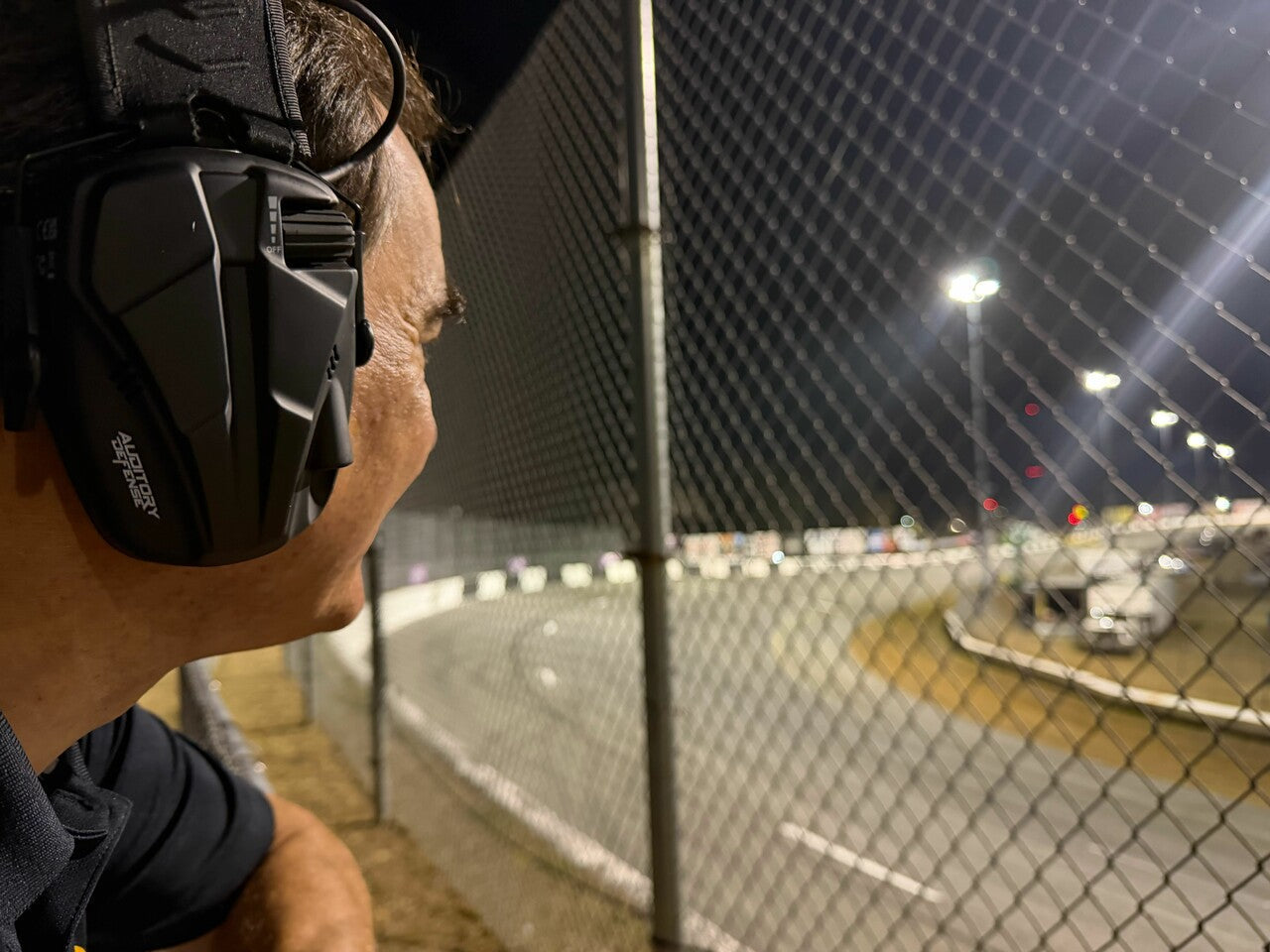
Families often expect concerts or fireworks to be loud, but children can also become uncomfortable in places that adults may not think of as risky. Indoor sports arenas, racetracks, monster truck shows, fairs, school gyms, movie theaters, arcades, weddings, airports, and live announcements over speaker systems can all be challenging.
A loud environment kids enjoy at first can become difficult after a period of exposure. Noise discomfort may build over time, especially when a child is tired, hungry, hot, crowded, or unable to take a break. Parents can help by watching for changes in behavior as the event continues.
Simple Guidance for Parents
Before attending a loud event, talk with your child about what to expect. Let them know it is okay to ask for a break or use hearing protection. This helps children feel more in control and reduces the chance that noise discomfort turns into a stressful moment for the whole family.
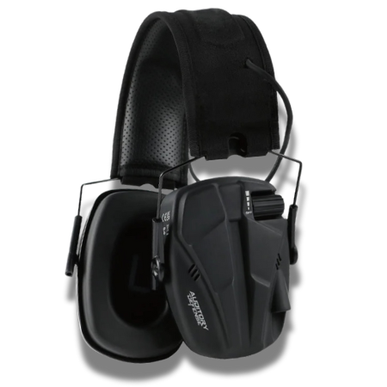
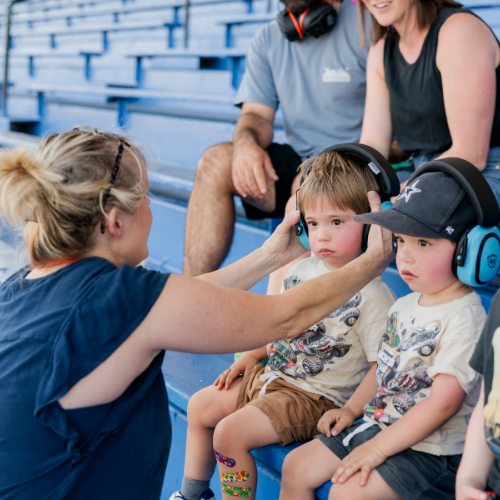
Bring hearing protection that matches your child’s age and size. For babies and toddlers, soft and lightweight earmuffs are usually the most practical option. Auditory Defense Mini Mufflers for babies and toddlers are designed for young children and provide an NRR of 22 dB. For older children, teens, and young adults, Kids and Young Adult Passive Earmuffs offer a secure fit with soft padding for loud events and long-duration wear.
At the event, choose seating or standing areas away from speakers, engines, fireworks launch areas, or other major noise sources when possible. Take breaks in quieter areas before your child becomes upset. If your child removes their earmuffs, check the fit. Hair, hats, glasses, or loose positioning can affect comfort and reduce the seal.
Parents should also model good hearing habits. When children see adults using hearing protection at loud events, it becomes normal instead of unusual. The National Institute on Deafness and Other Communication Disorders encourages parents to teach children why, when, and how to use hearing protectors. The CDC also notes that noise-induced hearing loss can be caused by a single very loud sound or by repeated exposure over time, and that prevention matters.
When to Seek Professional Guidance
If your child frequently complains of ear pain, ringing, muffled hearing, or strong discomfort with everyday sounds, it may be helpful to speak with a pediatrician or licensed audiologist. A professional can check for ear health concerns, hearing changes, or sound sensitivity that may need additional support.
For most families, the first step is simple preparation. Pack hearing protection before loud activities, watch your child’s behavior, and take breaks when needed. With the right plan, children can enjoy sports, concerts, races, and family events with greater comfort and safer listening habits.
Auditory Defense offers hearing protection selected with comfort, fit, and real family use in mind. Visit the Auditory Defense homepage to learn more about hearing protection for loud environments.
Share:
Indoor vs Outdoor Events: Which Are Louder and What It Means for Your Hearing
5 Signs You May Be Damaging Your Hearing at Loud Events